You've just picked up the latest blockbuster game, excited to dive in. But then you hear whispers: "Did you get the PlayStation version? It has Spider-Man!" or "Which Pokémon game did you choose? Scarlet or Violet?" Suddenly, you realize that the game you thought was one universal experience actually comes with significant Version Differences & Exclusive Content. This isn't just about day-one patches or deluxe editions; it's a fundamental design choice that shapes your gameplay, story, and even your interactions with other players.
From unique characters and entire story missions to legendary creatures and subtle aesthetic tweaks, exclusive content is a fascinating, sometimes frustrating, part of the modern gaming landscape. Understanding why it exists and what to expect can profoundly change how you approach your next purchase, ensuring you get the experience you truly want.
At a Glance: What You Need to Know About Version Exclusives
- It's More Than DLC: Version differences are often core game elements, not just add-ons.
- Designed for Purpose: Developers use exclusivity to encourage trading, leverage platform features, or satisfy marketing agreements.
- Variety is Key: Exclusives can range from single characters and items to entire storylines, game modes, or aesthetic changes.
- Pokémon is the Poster Child: This franchise masterfully uses version differences to drive social interaction and trading.
- Research Before You Buy: A little digging can save you from buyer's remorse, especially if you're a completionist.
- Community is Your Friend: Trading, sharing, and online guides are essential tools for experiencing all content.
The Core of the Matter: What Are We Talking About?
At its heart, "version-exclusive content" refers to specific game elements that are deliberately restricted to a particular version of a game. This could mean content tied to:
- A specific console: Like PlayStation, Xbox, Nintendo Switch, or PC.
- A particular edition of the game: Think "Scarlet" versus "Violet" in the Pokémon series.
- Regional releases: Though less common now, sometimes content varied by geography.
- Pre-order bonuses or limited-time promotions: While these can overlap, true version differences are usually inherent to the core game's SKU (stock-keeping unit).
Unlike general DLC (downloadable content) or expansions that are often available to all players for purchase, version-exclusive content is usually baked into the game from the start and cannot be acquired outside of owning that specific version or trading with someone who does. It's not about making a game "incomplete" but rather offering distinct experiences that nudge players toward certain platforms, editions, or social behaviors.
Why Game Developers Play the Exclusivity Card
The decision to gate content isn't arbitrary. There are several strategic reasons why developers and publishers embrace version differences:
- Encouraging Social Interaction and Trading: This is perhaps the most well-known driver, epitomized by the Pokémon series. By splitting crucial content (like specific Pokémon species) between two versions, players are incentivized to connect with friends, trade online, and engage with the game's community to "catch 'em all" or experience both sides of the story. It fosters a vibrant ecosystem around the game.
- Leveraging Platform-Specific Features: Some games are designed to take advantage of unique hardware capabilities. Think back to Wii games that heavily utilized motion controls, or the Nintendo Switch version of Starlink: Battle for Atlas, which uniquely integrated Star Fox characters and missions. These exclusives are a way to make the most of a console's distinctive capabilities, offering a tailored experience that wouldn't be possible elsewhere.
- Marketing & Console Manufacturer Agreements: The console wars are real, and exclusive content is a powerful weapon. Console manufacturers often pay publishers substantial sums to secure exclusive characters, missions, or even entire games for their platforms. This is a mutually beneficial arrangement: the publisher gets funding or marketing boosts, and the console maker gains a compelling reason for players to choose their hardware. Examples include Spider-Man appearing exclusively in PlayStation versions of Marvel's Avengers, or Link as a guest fighter in the GameCube version of Soulcalibur II.
- Technical Limitations or Design Choices: Sometimes, exclusivity isn't about marketing but about practicality. Dragon Quest XI, for instance, offered players a choice between 2D graphics on the Nintendo 3DS and 3D graphics on PS4 and PC. The Switch "Definitive Edition" later added voice acting and an orchestrated soundtrack, showcasing how a game can evolve differently across platforms due to hardware capabilities or development timelines. These aren't just minor tweaks; they can fundamentally alter the visual and auditory experience.
- Boosting Initial Sales or Replayability: Launching two versions of a game simultaneously can double initial sales, as some players might buy both to get everything. For others, knowing there's different content in another version or on another platform provides a reason to revisit a game years later, perhaps through a "complete" edition or a remaster.
A Taxonomy of Exclusive Content: What You Might Encounter
Version differences aren't a one-size-fits-all concept. They manifest in many forms, each impacting your gameplay in distinct ways:
- Exclusive Characters or Guest Fighters: These are often the most high-profile exclusives. Imagine playing a fighting game and knowing a beloved character is only available on one console, or diving into an adventure game where a popular hero joins your party only if you're on a specific platform. The aforementioned Spider-Man in Marvel's Avengers (PlayStation) and Link in Soulcalibur II (GameCube) are prime examples.
- Unique Missions, Levels, or Story Arcs: Sometimes, the exclusive content isn't just a character but an entire chunk of gameplay. PlayStation often gets exclusive DLC or missions for games like Assassin's Creed. A recent example is the "Burning Shores" expansion for Horizon Forbidden West, which was exclusively released for the PlayStation 5, leaving PS4 players unable to access this additional story content. Metal Gear Solid V: Ground Zeroes also featured different unlockable missions based on the console you played it on.
- Distinct Items, Outfits, or Customization Options: These exclusives might not impact gameplay significantly, but they cater to players who love customization or rarity. Special weapon skins, unique armor sets, or character costumes can be version-locked. Hitman 3 offered "Streak" suits, and Rayman Legends had platform-exclusive costumes, providing cosmetic bragging rights for players on specific systems.
- Aesthetic or Gameplay Variations: Beyond graphics, some games offer entirely different ways to play or experience the world. Dragon Quest XI's differing visual styles (2D vs. 3D) is a perfect illustration. These aren't just minor graphical settings; they represent fundamentally different design approaches enabled or constrained by the platform.
- Platform-Specific Features & Crossovers: This category ties back to leveraging unique hardware. If a console has a distinct controller, motion sensor, or screen, a game might build exclusive mechanics around it. The Starlink: Battle for Atlas game on Nintendo Switch, featuring a unique Star Fox crossover, is an excellent example of a platform-specific feature that significantly enhances the game for that console.
- The Rare Case of "Removed" Content: Occasionally, content becomes "exclusive" by unfortunate circumstance. Mass Effect 1's "Pinnacle Station" DLC, for instance, became unavailable in later PC and console re-releases due to corrupted source files, making it exclusive to original versions where it still existed. While not an intentional design choice for exclusivity, the effect is the same: it's content you can't get everywhere.
Case Study: Pokémon – The Master Class in Version Exclusivity
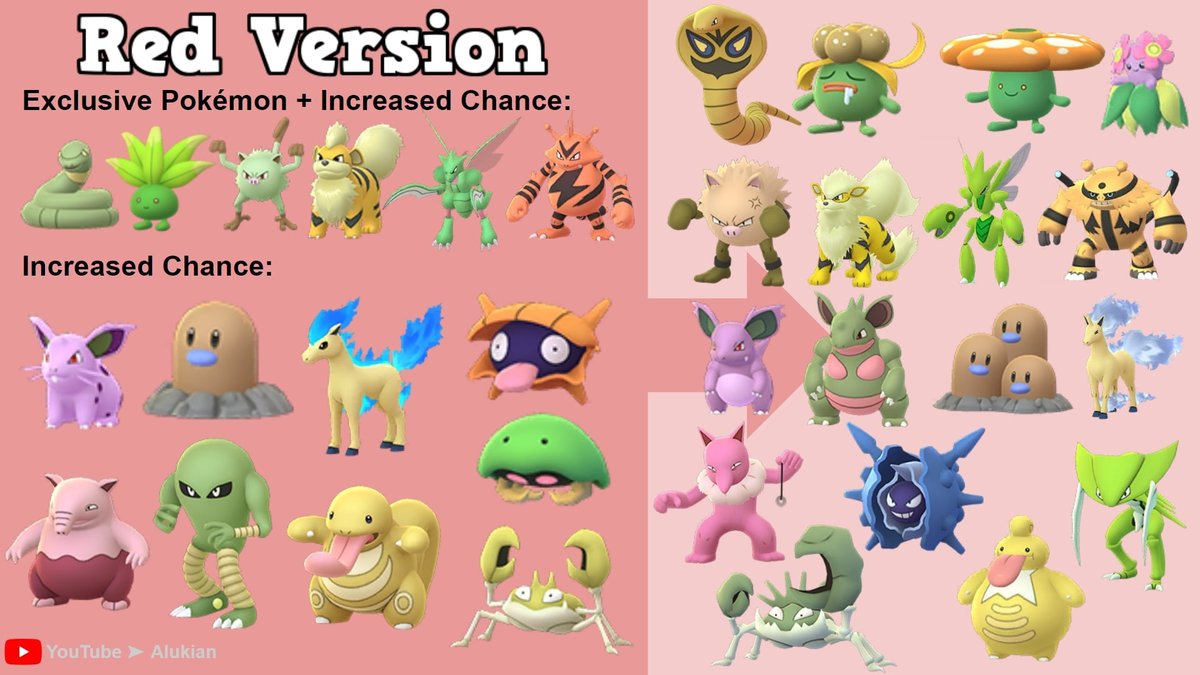
When we talk about Version Differences & Exclusive Content, the Pokémon series immediately comes to mind. It's a franchise that has built its very foundation on this concept since its inception, making version exclusives a core part of its identity and appeal. Even early entries like the games covered in All About Pokemon Generation 2 laid the groundwork for this successful strategy.
Pokémon Scarlet and Pokémon Violet, the latest main series entries, are perfect contemporary examples of how meticulously crafted version differences can define an entire generation:
- Legendary Mascots: Koraidon vs. Miraidon: These powerful "Box Legendaries" are not just decorative; they serve as your primary modes of transportation throughout the Paldea region. Pokémon Scarlet players partner with Koraidon, a majestic, ancient-themed creature. Pokémon Violet players, conversely, traverse Paldea on Miraidon, a sleek, futuristic dragon. This isn't just a cosmetic difference; it frames your initial journey and connection to the world.
- Professors and Academies: Sada vs. Turo: The very figureheads of the Paldean academic world are version-exclusive. In Scarlet, you'll encounter the adventurous Professor Sada. In Violet, Professor Turo, a calm and collected scientist, guides you. The academies themselves reflect these themes: Scarlet's Naranja Academy boasts an orange motif, while Violet's Uva Academy sports a purple one, visible in the architecture, student outfits, and overall aesthetic of Mesagoza. Your starting outfit will also reflect these distinct color schemes.
- Aesthetic & Lore Tweaks: Beyond the major differences, the games feature unique lore elements. Players might find different books, magazines, and in-game texts that subtly alter their perception of Paldea's history and future, reinforcing the past-vs.-future theme.
- The Mystery of Paradox Pokémon: As you venture into Area Zero in the late game, you'll discover "Paradox Pokémon"—ancient or futuristic forms of existing Pokémon species. These are entirely version-exclusive. For example, Pokémon Scarlet features past-themed Paradox Pokémon like Great Tusk (a prehistoric Donphan), while Pokémon Violet showcases future-themed Paradox Pokémon such as Iron Treads (a robotic Donphan). To complete your Pokédex, you must trade with someone who owns the opposite version. This creates a strong incentive for social play and reinforces the game's core design philosophy.
This systematic approach to version differences ensures that the Pokémon experience is deeply social, encouraging players to build communities, strategize trades, and celebrate their unique versions while still striving for that collective "100% completion."
Before You Buy: Navigating the Exclusive Content Landscape
Understanding version differences is one thing; making an informed decision is another. Here's how to navigate the exclusive content landscape before you commit to a purchase:
- Research is Your Best Friend (Always): Before pre-ordering or buying on release day, dedicate a few minutes to online research. Official game websites, reputable gaming news sites, and fan wikis are invaluable resources. Look specifically for "version exclusives," "platform differences," or "exclusive content comparison" for the game you're interested in. Most major titles with such differences will have easily accessible comparison charts.
- Consider Your Priorities:
- Are you a completionist? If "100%" means having every item, character, and mission, then you need to know which version contains what, and if trading/sharing is feasible. For Pokémon players, this is non-negotiable.
- Do you have a favorite character or story element? If a specific character or a unique side story is a major draw for you, confirm which version offers it. Missing out on your favorite hero because you bought the "wrong" platform can be a real disappointment.
- Are aesthetics important? If you prefer one visual style over another (like the past vs. future theme in Pokémon Scarlet/Violet), knowing these differences helps you choose the most appealing option.
- The Social Aspect: What Do Your Friends Play? This is crucial, especially for games like Pokémon. If all your friends are getting Scarlet, it might make sense for you to get Violet to facilitate easy trading and help each other complete your collections. Collaborative gaming becomes much smoother when you strategically pick complementary versions.
- Platform Loyalty vs. Content Desire: Sometimes, a highly desired exclusive character or mission might be tied to a console you don't own. You have to weigh how much that content matters against the cost and commitment of buying a new console. For most, an exclusive isn't usually enough to sway a platform purchase, but it can be a tipping point if you're already on the fence.
- Pitfalls to Avoid:
- Buyer's Remorse: Nothing stings more than realizing you missed out on content you really wanted because you didn't do your homework.
- FOMO (Fear Of Missing Out): Don't let the existence of exclusive content pressure you into buying multiple versions or platforms unnecessarily. Decide what genuinely matters to your enjoyment.
- Overpaying for Exclusives: Be wary of scalpers or inflated prices for specific versions years down the line, especially for physical copies.
Maximizing Your Experience (Even Without Every Version)
You don't always need to buy every single version or platform to get a fulfilling experience. Here’s how to make the most of your games in a world of exclusives:
- Embrace Trading & Community: This is the golden rule for many games, especially Pokémon. Join online forums, Discord servers, or local gaming groups. Communities thrive on helping each other get those elusive exclusives. Online trading features within games are designed precisely for this purpose. Don't be shy; ask around!
- Leverage Online Guides & Wikis: These resources are meticulously updated by dedicated fans. They'll often list every single version-exclusive item, character, and mission, complete with screenshots and instructions on how to acquire them. Use them to plan your purchases, trades, or simply to see what you're missing out on (or what you're not!).
- Wait for "Complete" or "Definitive" Editions: Many games that initially launch with platform-exclusive content will later release a "Game of the Year" or "Definitive Edition" that bundles all previously released DLC and often consolidates any version-exclusive content, making it available to all players on that platform. If you're patient, this can be a great way to get the full experience without multiple purchases.
- Revisit with Remasters/Remakes: Sometimes, a game's re-release on newer hardware will take the opportunity to integrate or update content. The Nintendo Switch "Definitive Edition" of Dragon Quest XI, for example, added voice acting and an orchestral soundtrack that wasn't present in all original versions, offering a more complete package. Keep an eye out for these enhanced versions.
Your Guide to Every Game Version: What Comes Next
Version differences and exclusive content are here to stay. They're a complex, often strategic, part of how games are developed, marketed, and consumed. While they can sometimes feel like a barrier, they also foster vibrant communities and offer unique reasons to revisit beloved titles or explore new platforms.
The key takeaway is empowerment through information. By understanding why these differences exist and what to look for, you can make smarter purchasing decisions, connect more effectively with fellow gamers, and ultimately ensure your gaming experience is as rich and complete as you want it to be. So, next time you're eyeing a new release, take a moment to ask: "What version am I getting, and what unique adventures await me there?" Your journey might just be a little more special for it.